Examination of blood vessels

Examination of blood vessels at Da Medika Polyclinic

The diagnostics of blood vessels is performed with the use of the latest methods. The examination of blood vessels is done by Dr. Mihailo Mićić, a specialist in cardiovascular surgery with years-long experience.

What is the examination of blood vessels?

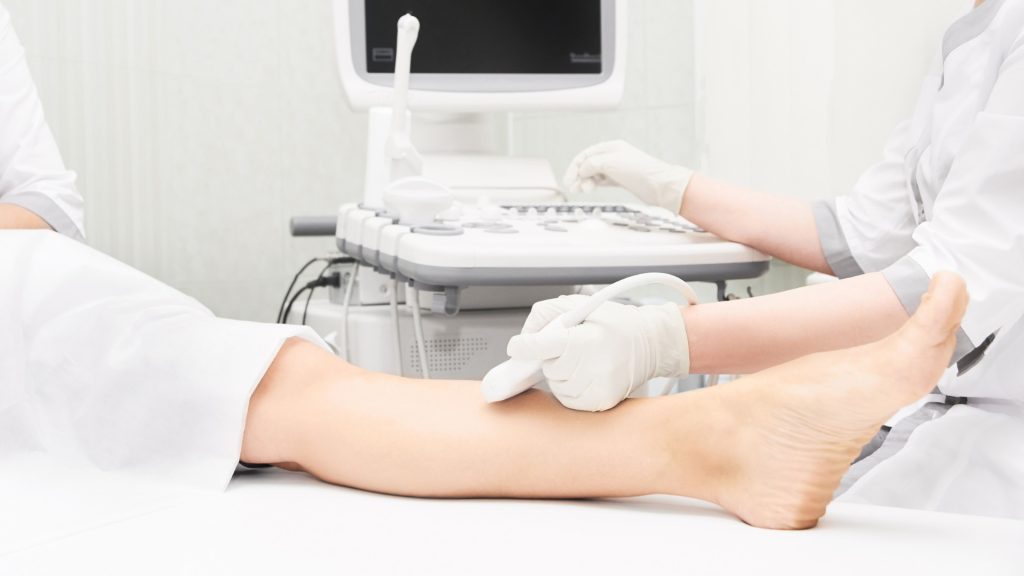
The examination of blood vessels is a modern, quick and painless diagnostic method which gives insight into the condition of blood vessels (arteries and veins) in a certain part of the organism. The ultrasound of the vessels serves as an initial condition for adequate planning of prevention and treatment of blood vessels diseases. This method reveals diseases of the veins (venous thrombosis, venous insufficiency) and diseases of the arteries (atherosclerotic changes in the blood vessels, carotid artery disease as the cause of a stroke, lower and upper extremity arterial diseases as the cause of gangrenes, an aneurysmal disease of peripheral arteries and other circulation disorders).

Who should undergo an examination of blood vessels?

The following persons should undergo an examination of blood vessels:

– persons having pain, cramps, tingling sensation, swollen or cold legs and arms  

– exposed to risk factors for diseases of blood vessels (e.g. diabetes, smoking, the burden of hereditary diseases of blood vessels, IVC with a carotid disease).

What does the examination of blood vessels involve?

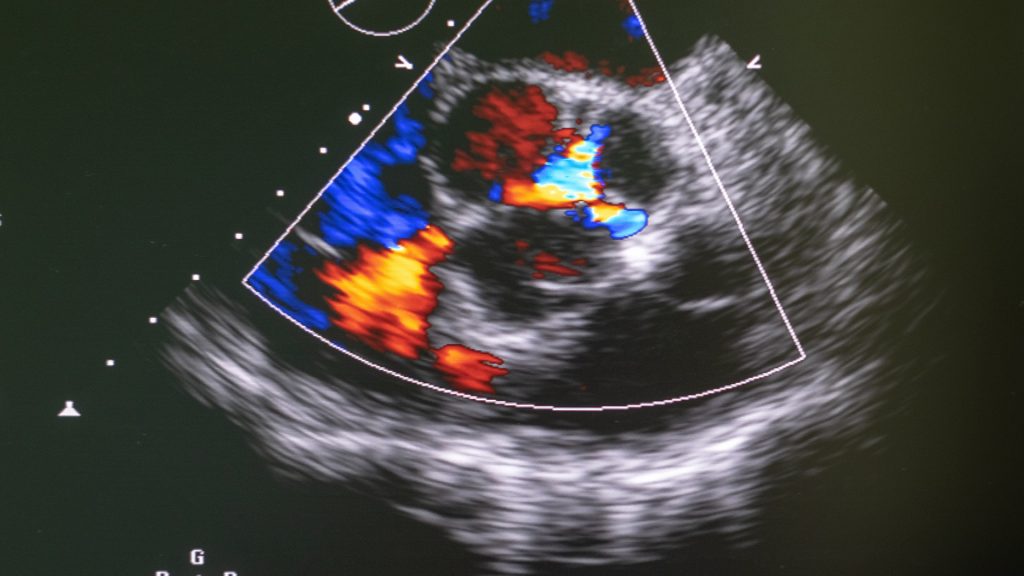
A colour Doppler ultrasound for the analysis of blood vessels (arteries and veins) in different pats of body, including the neck, arms, legs and the abdominal aorta is applied in the examination.  This modern, quick and painless method helps in discovering:

Venous diseases such as venous thrombosis (blood clots in the veins) and venous insufficiency  (poor circulation in the veins)

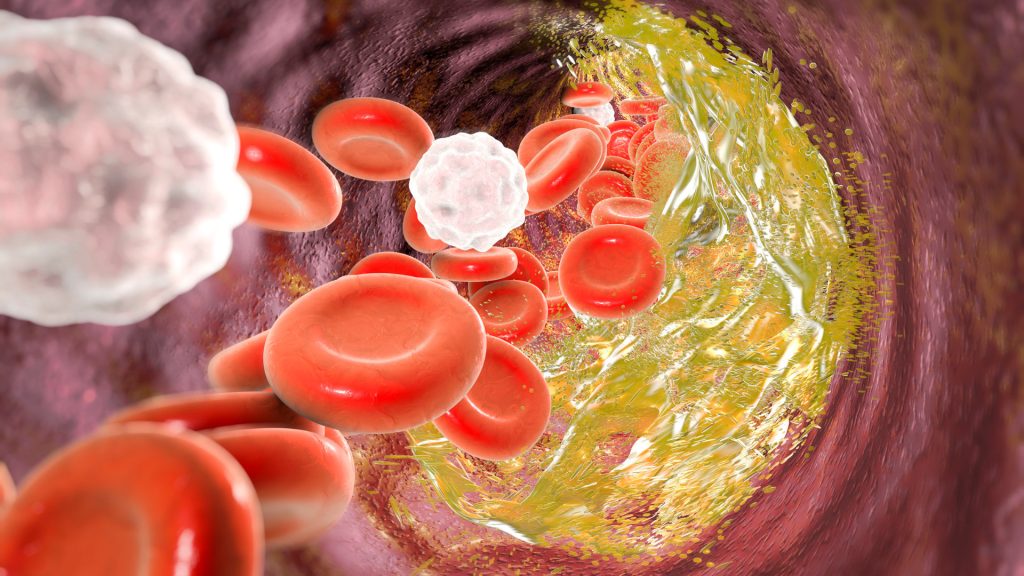
Arterial diseases such as atherosclerosis (constriction of arteries), carotid artery disease (the main cause of a stroke) and diseases of peripheral arteries in the arms and legs, which may lead  to severe complications, such as a gangrene.

Specific vascular diseases which are discovered during an examination of blood vessels

The examination of blood vessels enables early detection of various vascular diseases which may seriously affect the health.

Carotid artery disease

Carotid artery stenosis is one of the main causes of a stroke. Timely detection and treatment of a carotid artery disease may lead to the prevention of severe and potentially life-threatening complications.

  • Symptoms: Carotid arteries are situated on the front side of the neck and their main function is to feed the brain. If there is considerable narrowing of carotid arteries, the symptoms such as dizziness, fainting, instability while walking, transient weakness in the arm or leg or a transient vision loss may occur, while the most severe complication is certainly the occurrence of a brain attack, i.e. a stroke. Unfortunately, with a majority of patients, a stroke is usually the first manifestation of carotid artery stenosis, as most of the patients have never had a colour Doppler, i.e. an ultrasound examination of the carotid arteries done before.
  • Diagnosis: All patients who experience the aforementioned symptoms are advised to have a colour Doppler of the blood vessels in the neck done, while patients over 60 are advised the same even if they do not have any symptoms, but have hypertension, hyperlipidemia, who are smokers or are exposed to other risk factors for atherosclerosis. It is crucial to have a colour Doppler of the blood vessels in the neck timely so that considerable carotid artery stenosis would potentially be discovered in time and serious complications prevented. Apart from the narrowing, the morphological anomalies of carotid arteries, so called kinking and coiling, i.e. pathological tortuousness which can be surgically solved in an elegant manner, may also appear.
  • Treatment: Carotid artery stenosis is treated surgically, sometimes by a balloon dilation, i.e. stent insertion, or through a pharmacological therapy.

Abdominal aortic aneurysm

An aneurysm is a localised dilation of a blood vessel greater than 50 per cent of normal diameter. One of the most frequent localisations is the abdominal aorta, and its timely detection and treatment are of vital importance.

  • Symptoms: The aorta is the main arterial blood vessel in our body which carries blood from the heart to all organs. An aortic aneurysm is a local dilation in the wall and it most commonly affects the abdominal part. Symptoms which may occur are pulsation or a dull pain in the abdomen, and the greatest danger lies in the rupturing of the aneurysm, the outcome of which is often fatal.
  • Diagnosis: The diagnosis is established by an ultrasound examination, i.e. a colour Doppler of the abdominal aorta, and if needed, CT angiography is indicated.
  • Treatment: The treatment is usually surgical, although in special cases it may be less invasive and endovascular, by the placement of a stent or a graft or through EVAR.


Peripheral artery disease

The narrowing of the blood vessels of the lower extremities is characterised by pain in the calves  while walking, and, in the most severe cases, by the occurrence of pain while resting and the occurrence of a gangrene. The treatment involves a conservative, surgical and endovascular approach.

  • Symptoms: Arteries which feed the lower extremities are rather susceptible to atherosclerotic changes. The symptoms which the patients complain about  are usually pains, i.e. cramps in the calves or upper legs while walking, usually after 100, 200 or more metres crossed. As the disease advances, the distance crossed is getting increasingly shorter, up to less than 50 metres crossed and even  pain being felt while resting, when the pains are constantly present. A gangrene develops as the last stage of reduced circulation, when there is greater risk from the loss of extremities. It is important to emphasise that persons suffering from diabetes are at much greater risk from the occurrence of sores and a gangrene than the rest of the population.   
  • Diagnosis: The diagnosis of an atherosclerotic diseases of lower extremities is established by a colour Doppler of the blood vessels and a clinical examination by a cardiovascular surgeon. In the indicated cases, CT angiography should also be done.
  • Treatment: The treatment is pharmacological, surgical or endovascular, by stent placement.

The disease of varicose veins

The most prevalent vascular disease is the disease of varicose veins. It is characterised by the occurrence of venous capillaries, visible varicose veins and, in the most severe cases, open sores.  

  • Symptoms: Varicose veins are a very common phenomenon with both elderly and young persons. What patients most commonly cite as their discomforts are the swelling and pain in the legs after standing or sitting for a long time, while the very varicose veins are often visible above the surface of the skin. If it is not treated in time, the disease of varicose veins may lead to severe complications such as superficial and deep vein thrombosis, pulmonary embolism and open sores and venous ulcers on the lower extremities.
  • Diagnosis: The diagnosis is established by the colour Doppler examination of the lower extremity veins and a clinical examination by a vascular surgeon.
  • Treatment: The treatment of venous disease is surgical/ involves traditional or laser surgery or it is pharmacological.

Why is the examination of blood vessels important?

Ultrasound of blood vessels is a key step in diagnosing and planning adequate treatment of vascular diseases.  Early discovery may significantly reduce the risk from sever complications such as  a stroke, a gangrene or venous ulcers, which improves health outcomes and quality of life.  

Experts who perform the examination of blood vessels at Da Medika Polyclinic

The examination of blood vessels at Da Medika Polyclinic is performed by Dr. Mihailo Mićić, a specialist in cardiovascular surgery and expert for venous and arterial diagnostics and surgery.

Our team of vascular surgeons

expert for venous and arterial diagnostics and surgery

Impressions of our patients

Other Services

Rheumatology

Rheumatology Services at Da Medika Polyclinic Diagnosis and treatment of all rheumatic diseases using the

Urology

Urological Services at Da Medika Polyclinic Diagnosis and treatment of all urological conditions using the

Endocrinology

Endocrinological services at Da Medika Polyclinic Specialist diagnostics and treatment of endocrinological diseases, including thyroid